
The Mido Hasan story did not begin with a perfect plan, a clean studio desk, and a young designer confidently following his calling. It would be nice if that were the truth. It would make a smoother story: a boy discovers design, builds a business, works with great clients, moves somewhere beautiful, and everything starts making sense at exactly the right time.
The real version is messier. It has more countries, more pressure, more restarts, more bad decisions, more lessons, and more silence than I expected when I first started. It has moments where I thought I was finally building something stable, only to watch the ground move under me again. It has moments where I had to begin from almost nothing, not once, but several times.
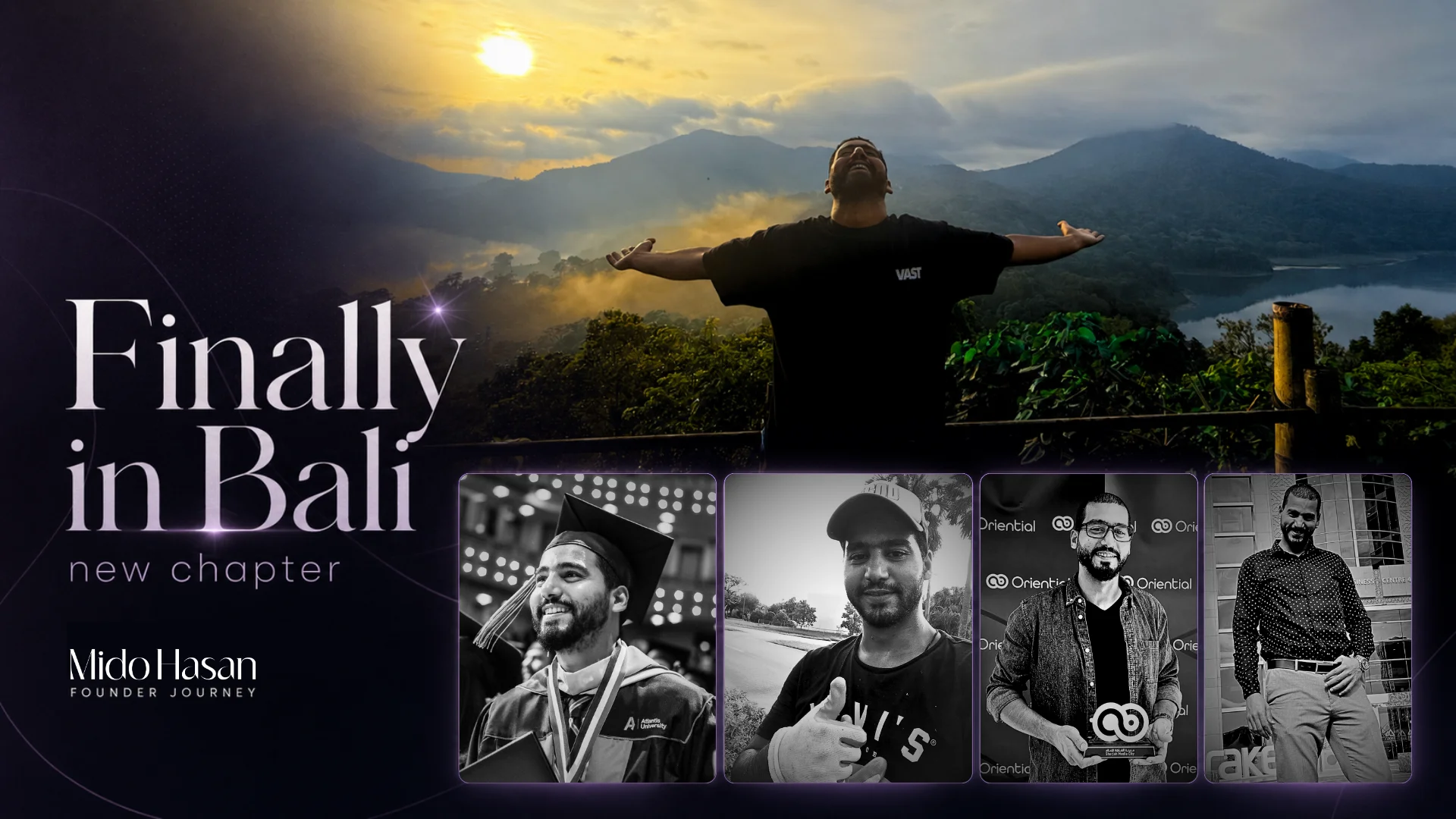
I was born Egyptian and raised between Riyadh and Egypt. Later, life took me to Miami, Dubai, and eventually Bali. I do not really call myself a traveler, because I did not just visit these places. I lived in them, worked in them, struggled in them, and learned from them. Every place changed the way I understood people, markets, business, trust, and myself.
Sixteen years later, I am still learning. But now I understand the story better.
Before design, there was work
Before I knew design would become my path, work was already shaping me.
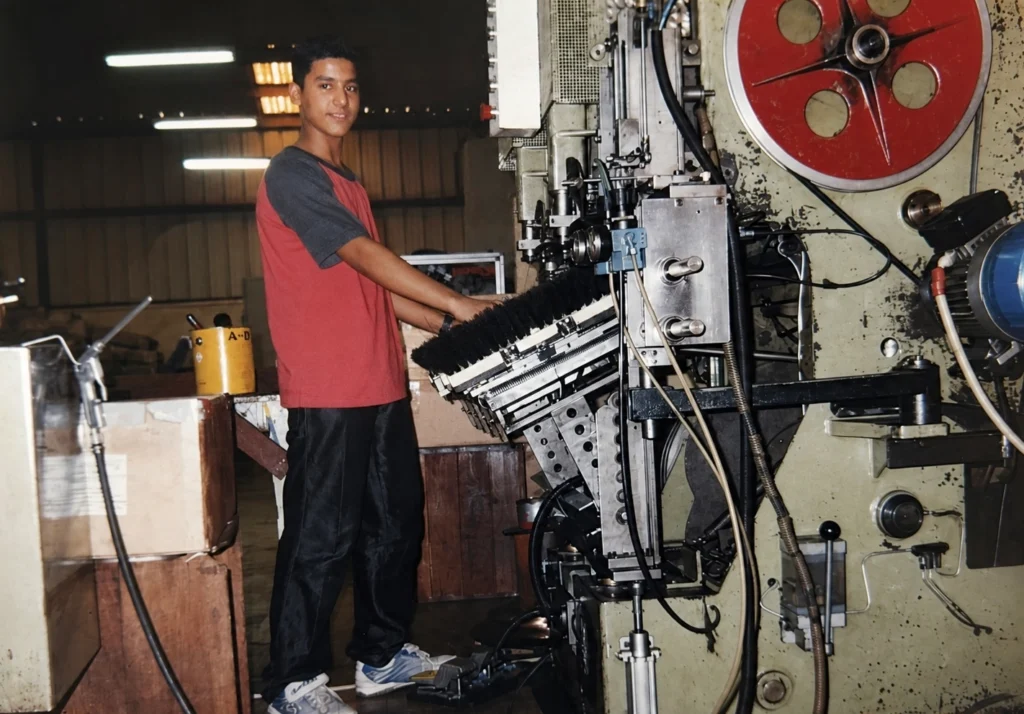
When I was thirteen, my father was working at a factory in Saudi Arabia. He was the manager, and during school breaks, he brought me in so I could learn what work actually means. It was not a cute internship with a badge and a motivational lesson at the end. It was work. You showed up, listened, carried responsibility, respected time, and understood quickly that money does not appear because you want it to.
Every summer became another kind of lesson. Factory work, driving, data entry, marketing, sales, advertising, different environments, different people, different types of pressure. I did not have the language for it then, but I was learning business before I learned design.
That matters more than it sounds. Business is not only the beautiful part that people show online. It is timing, money, trust, survival, decisions, risk, people, and the ability to keep moving when the plan stops behaving. I learned that early, not from a book, but from being around real work before I was old enough to understand how much it would shape me.
The first time design felt real
I studied at the Arab Open University, first in Riyadh, then in Cairo. During university, I took a class related to design, and something clicked in a way I still remember. It was not only that design looked nice. I liked the feeling of turning something unclear into something people could see, understand, and react to.
Around that time, I worked in a printing and advertising business in Riyadh for someone who had bought a large-format printing machine. I helped build the business from the inside. I designed banners, street ads, printed materials, and visual work for different kinds of customers. It was not glamorous, but it was direct. A customer needed something. A deadline existed. A file had to be prepared. The work either helped or it did not.
My first real design was a large advertising banner for a well-known pharmacy in Riyadh. I still remember what that meant to me, not because it proved I was great, but because it proved I cared enough to keep going. There is a difference. Early confidence can be fake, but early care is useful. Care keeps you close to the work long enough to become better.
After graduation, I took a Professional Diploma in Web Design at YAT in Cairo in 2010. I learned Photoshop, web design tools, and the basics that moved me deeper into the field. I started with websites, logos, social media designs, HTML, CSS, and every kind of practical work that teaches you faster than theory because clients do not care how poetic your process sounds. They care whether the thing works.
That was when design stopped being an interest and started becoming a direction.
The first company and the first big lesson
After graduation and the diploma, I started my first company: Master IT Solutions. I designed the logo, built the website, created the first public presence, and we landed our first client directly after launch through a Facebook post.
That client was Elbadrawi Group.
That project still matters to me because it was more than a project. It was a signal. It told me that this could become real, that a young team with energy, confidence, and enough hunger could compete in the market.
For a while, Master IT Solutions did well. My partners and I were young, but we were serious. I was good at pitching, good at creating offers, and confident enough to walk into conversations with companies bigger than us without acting like we were supposed to be small. We made real money at a young age, won clients, and built momentum.
Then Egypt changed.
The revolution in 2011 happened, and like many businesses at that time, we could not continue in the same way. The company had to stop. That was one of the first times I learned a business lesson that sounds simple until it happens to you: you can do many things right and still lose because the environment around you changes.
That lesson stayed. It removed some innocence from the way I looked at business. It also made me harder to impress with clean success stories, because I knew how quickly a strong direction can become fragile when the world around it shifts.
Riyadh and the feeling of being boxed in
After Egypt, I moved back to Riyadh and tried to start again. New partner, new name, new attempt: Delta Gate IT Solutions.
But this time, the problem was not only the market. The system itself made things difficult. At that time, I could not own the company properly because of local laws. Then the partnership became complicated, and the business started feeling heavier than it should have been.
Eventually, I had to work a regular 9–5 job.
I hated that period, but not because I thought work was beneath me. That would be nonsense. I had worked since I was thirteen. I hated it because I felt trapped inside someone else’s structure while knowing I had the ability to build something of my own. I could collaborate, lead, serve clients, build teams, and work hard, but I could not live without direction of my own.
That season gave me a kind of self-knowledge I could not ignore later. I understood that I was not built to only execute someone else’s plan. I needed to build, shape, decide, take responsibility, and carry the risk that comes with wanting your own path.
That is not always comfortable. But it is honest.
Miami was not the movie version
I moved to the USA in December 2016 to pursue my Master’s degree in IT. In my head, the move had a certain shape. America was supposed to open doors. A Master’s degree was supposed to create options. Hard work was supposed to lead somewhere visible if I just kept going.
Some of that was true, but not in the clean way people like to imagine.
Miami became one of the hardest chapters of my life. I studied, worked, and did everything I could to keep my status and pay for school. There were moments where money pressure put my student visa at risk. There were moments where the pressure stopped being inspiring and became something heavier, the kind of pressure that follows you into sleep and waits for you in the morning.
Still, I finished. Graduating from Atlantis University became one of the proudest moments of my life, not because a degree alone changes everything, but because I knew what it cost me to get there.
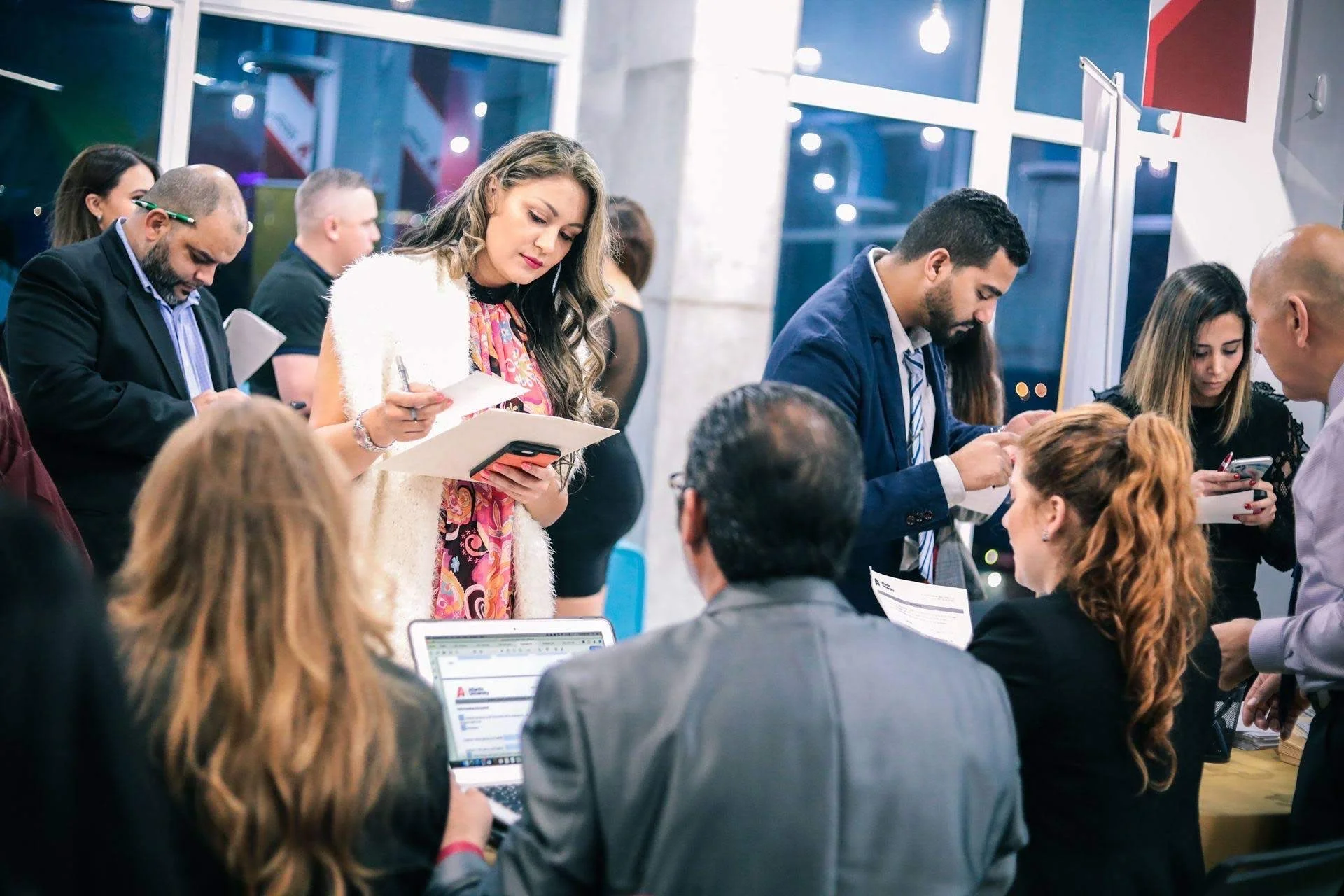
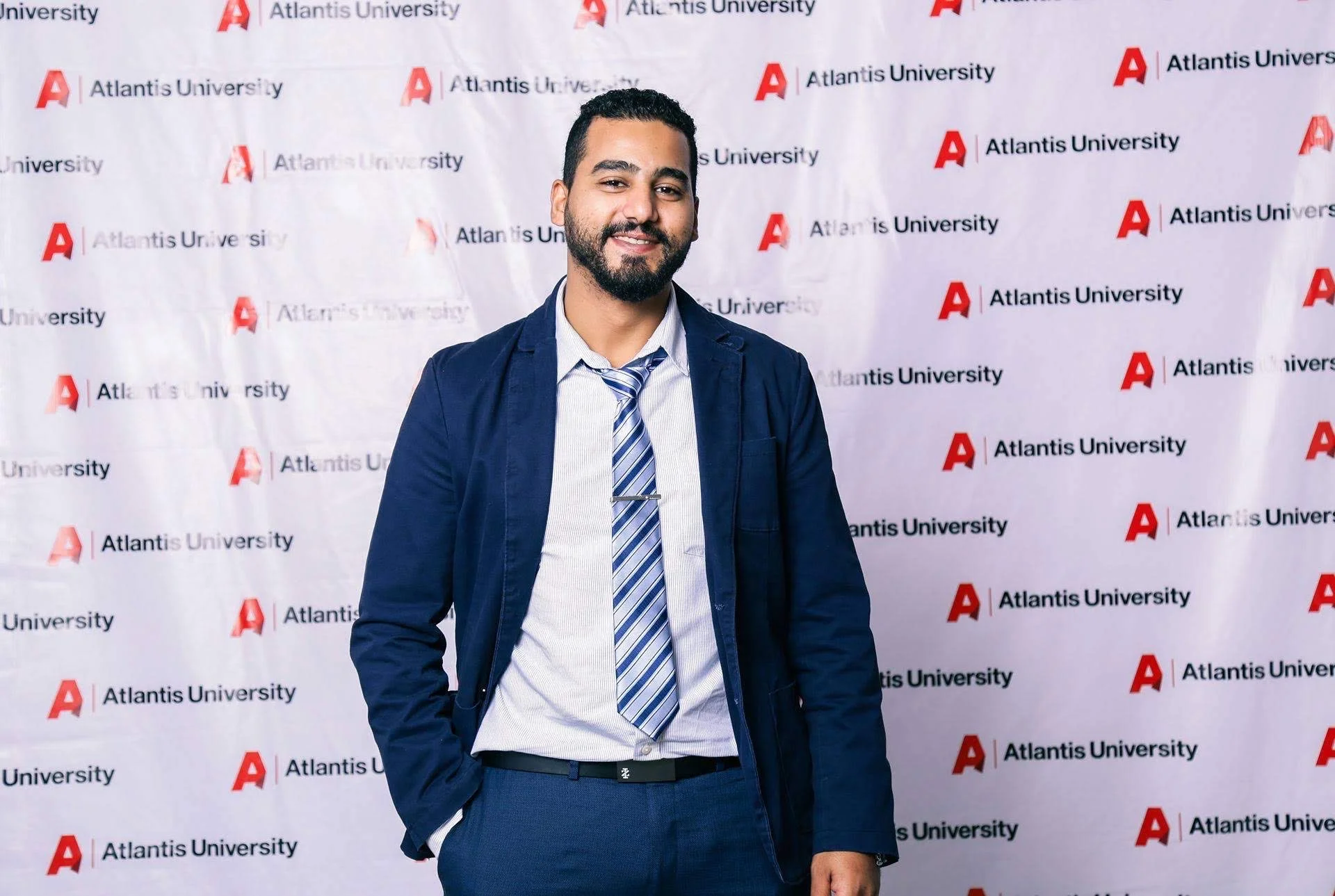
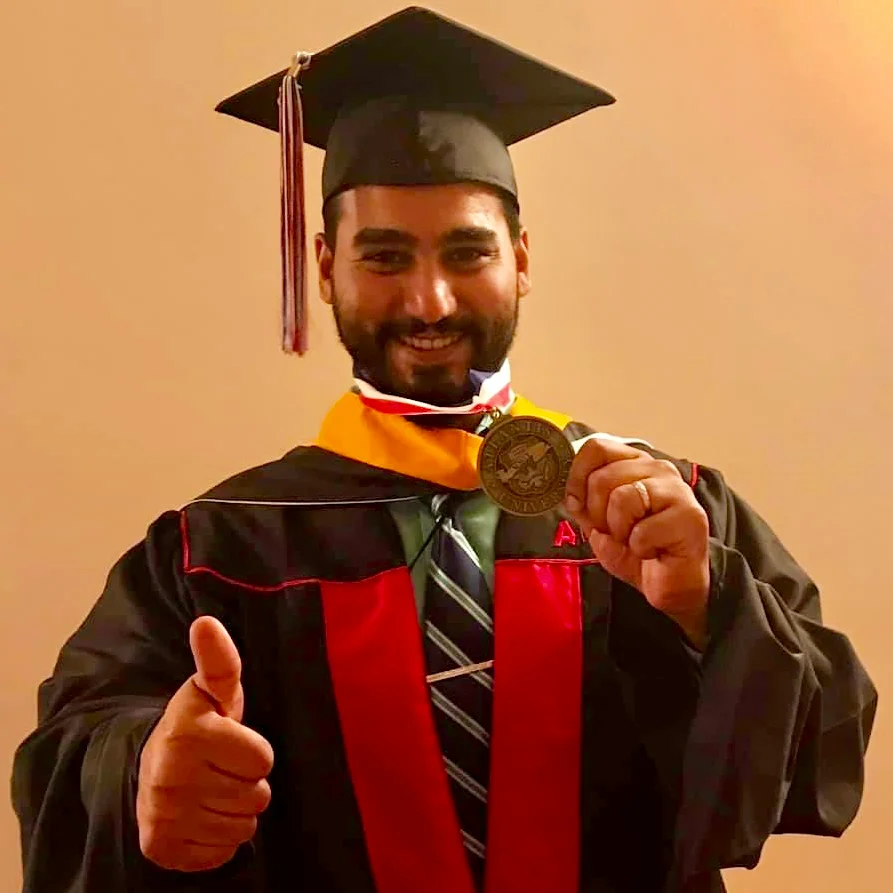
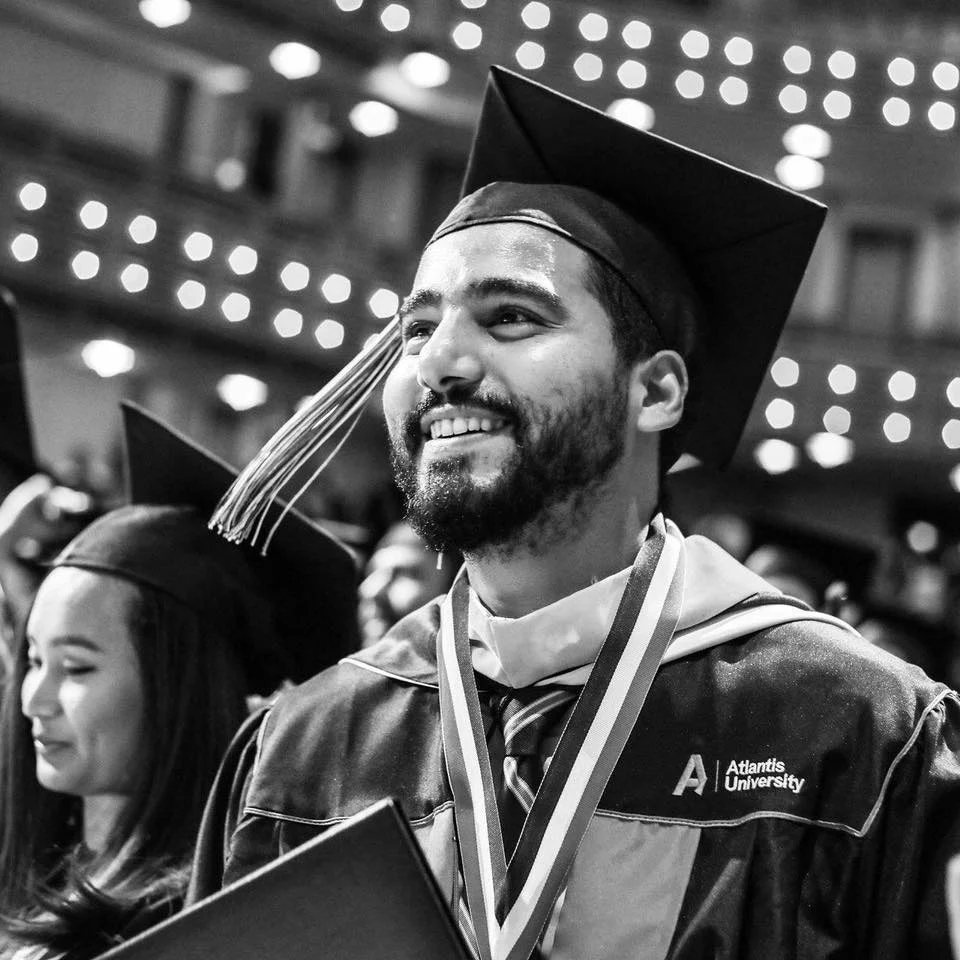
After graduation, I had one year to find work and get sponsorship. I applied to around 160 companies. Not one interview. Not one real chance. That kind of silence does something to a person. It is not just rejection; it is the feeling that your effort is being sent into an empty room.
I worked other jobs to survive and tried to fix my situation while carrying the quiet disappointment of a chapter that was supposed to open doors but mostly tested how long I could keep standing. Those years changed me. I learned how lonely ambition can feel when the system does not see you, and how hard it is to keep believing in yourself when nothing around you confirms it.
That pressure did not make me romantic about business. It made me sharper.
Wharzy and the feeling of control again
After that dark period, I started Wharzy LLC.
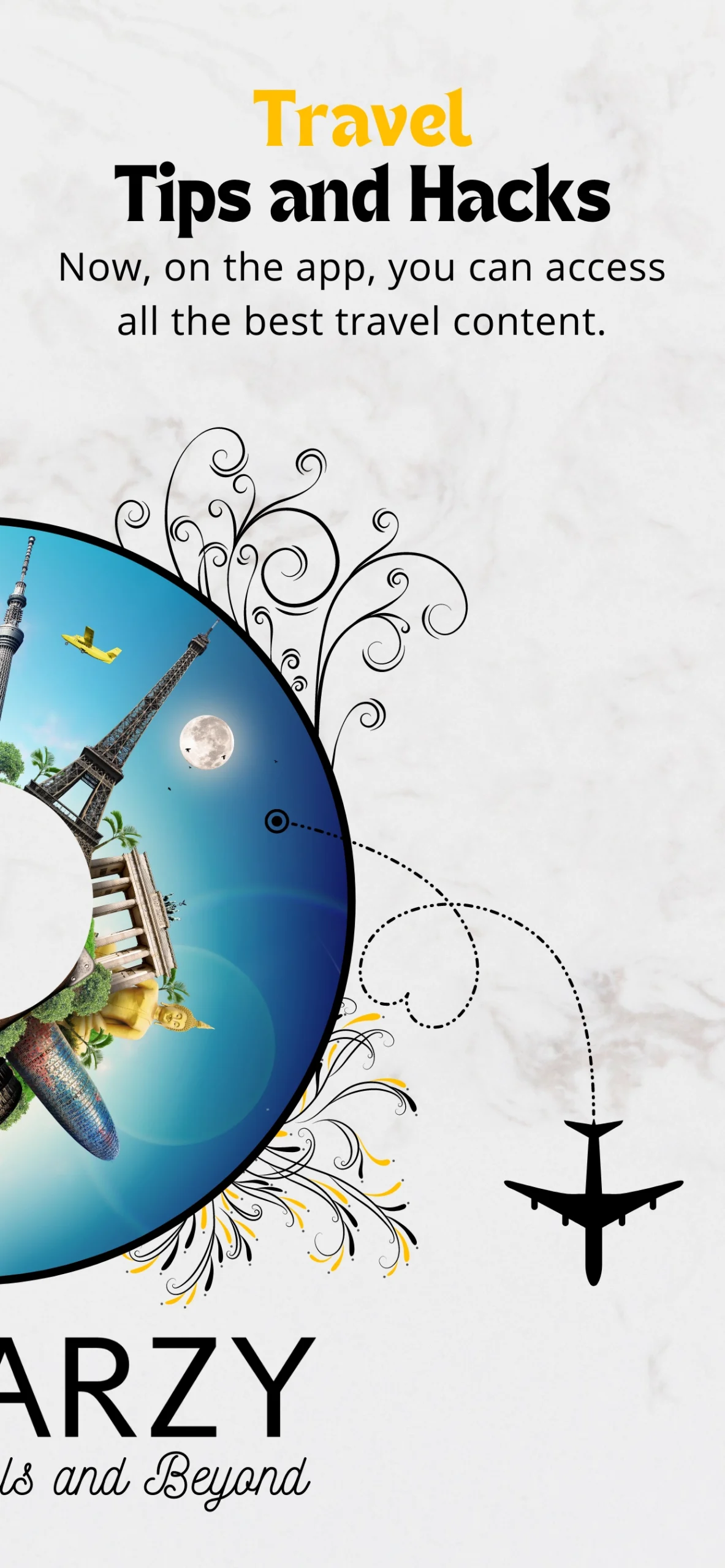
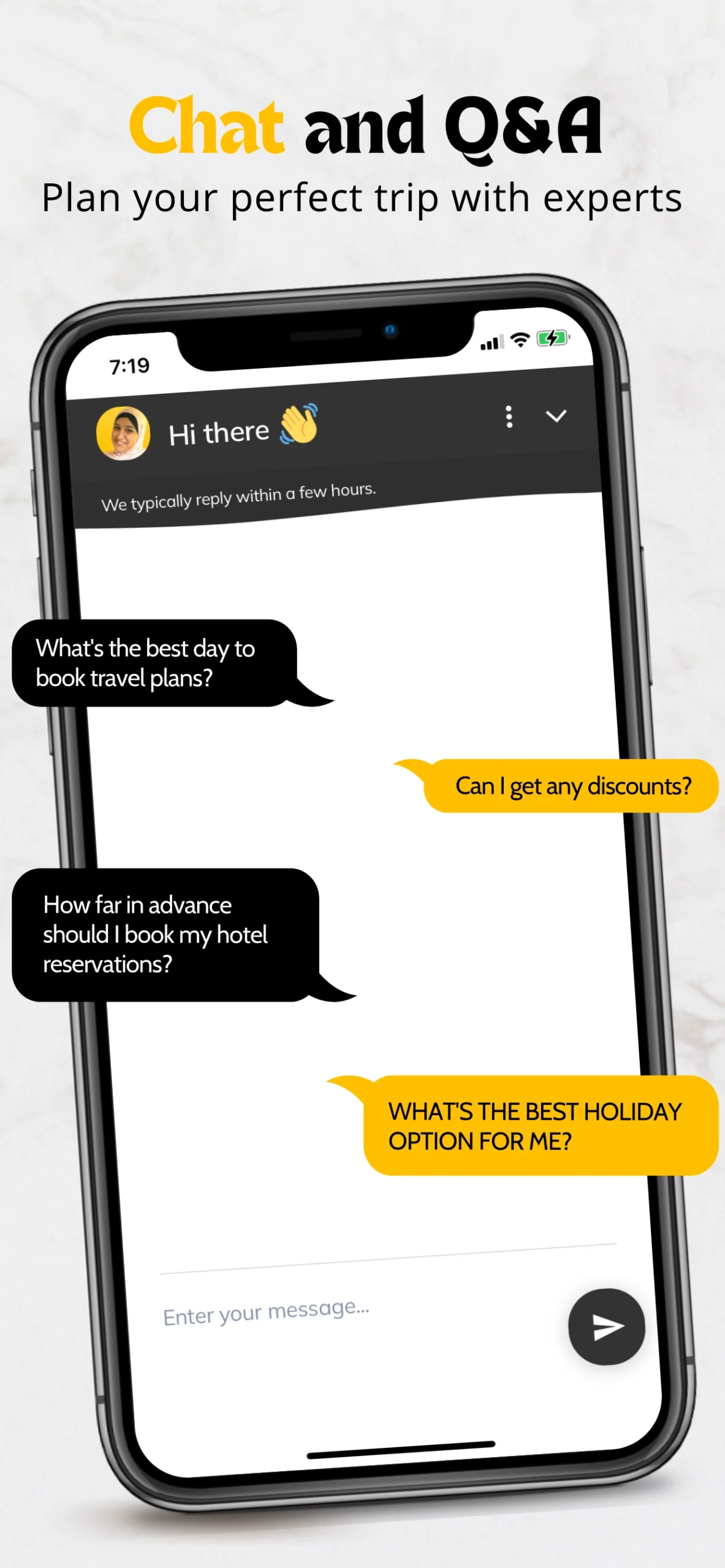
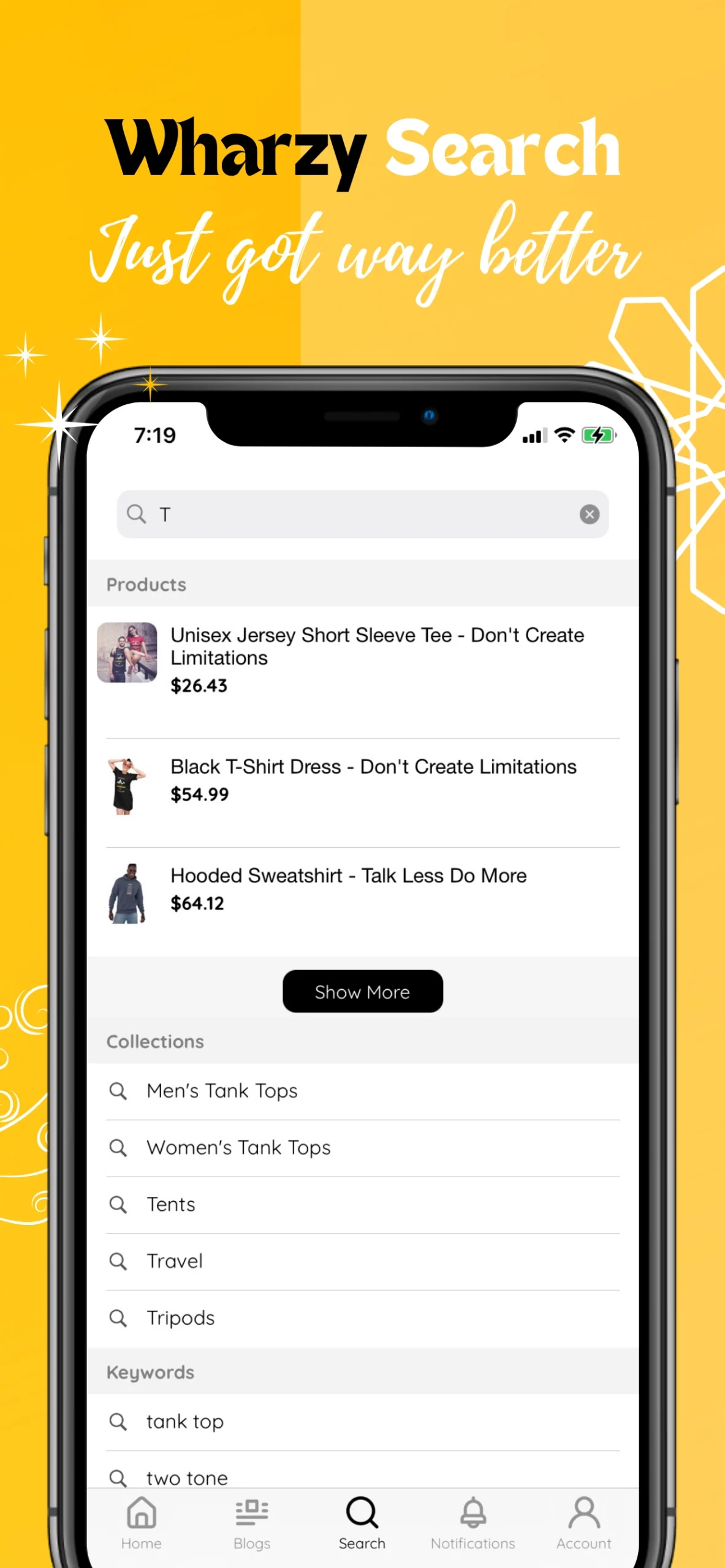
Wharzy was one of the most important projects I ever built because, for the first time in a long time, I felt like I had control again. It was a travel-related brand and store concept, and the direction was mine. I could see the market. I could see the opportunity. I could feel the idea becoming something with weight.


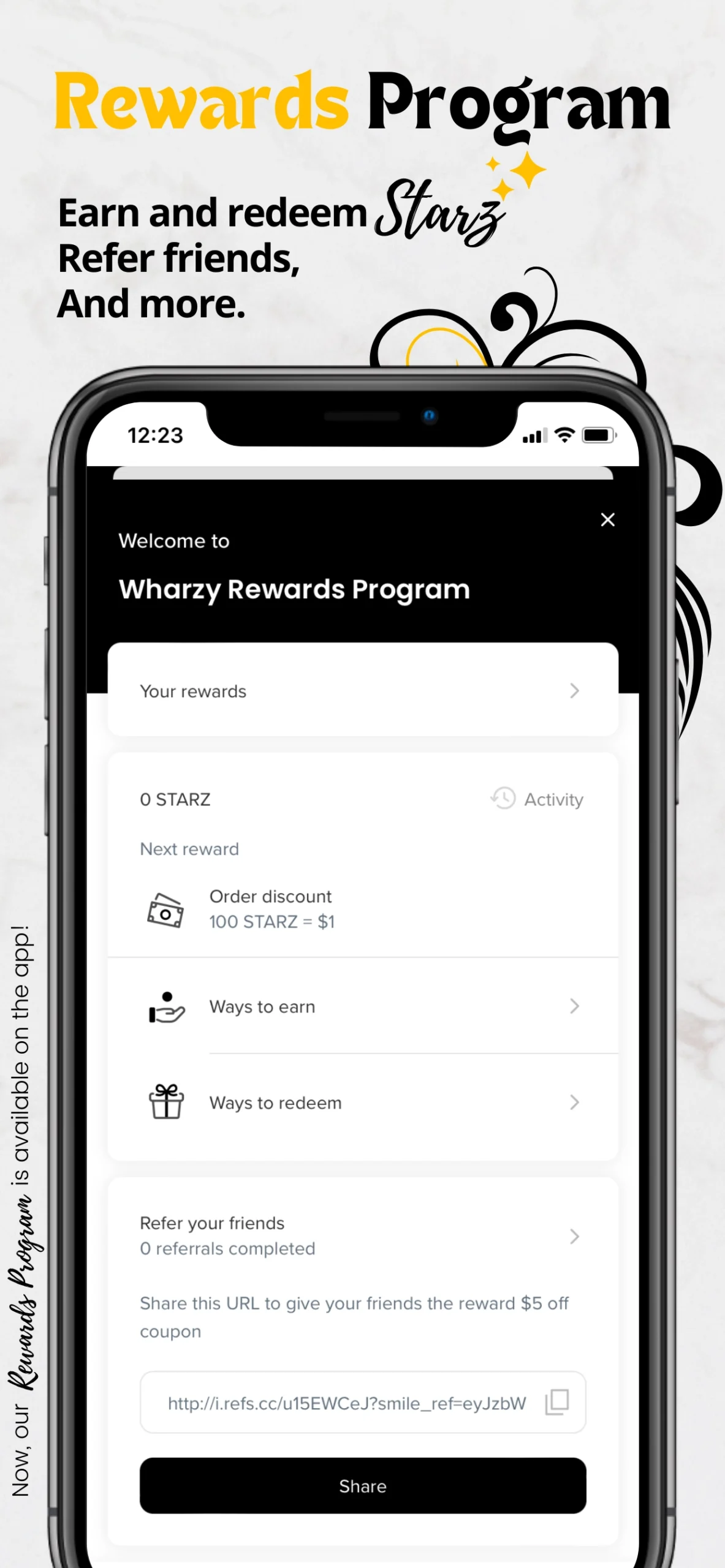
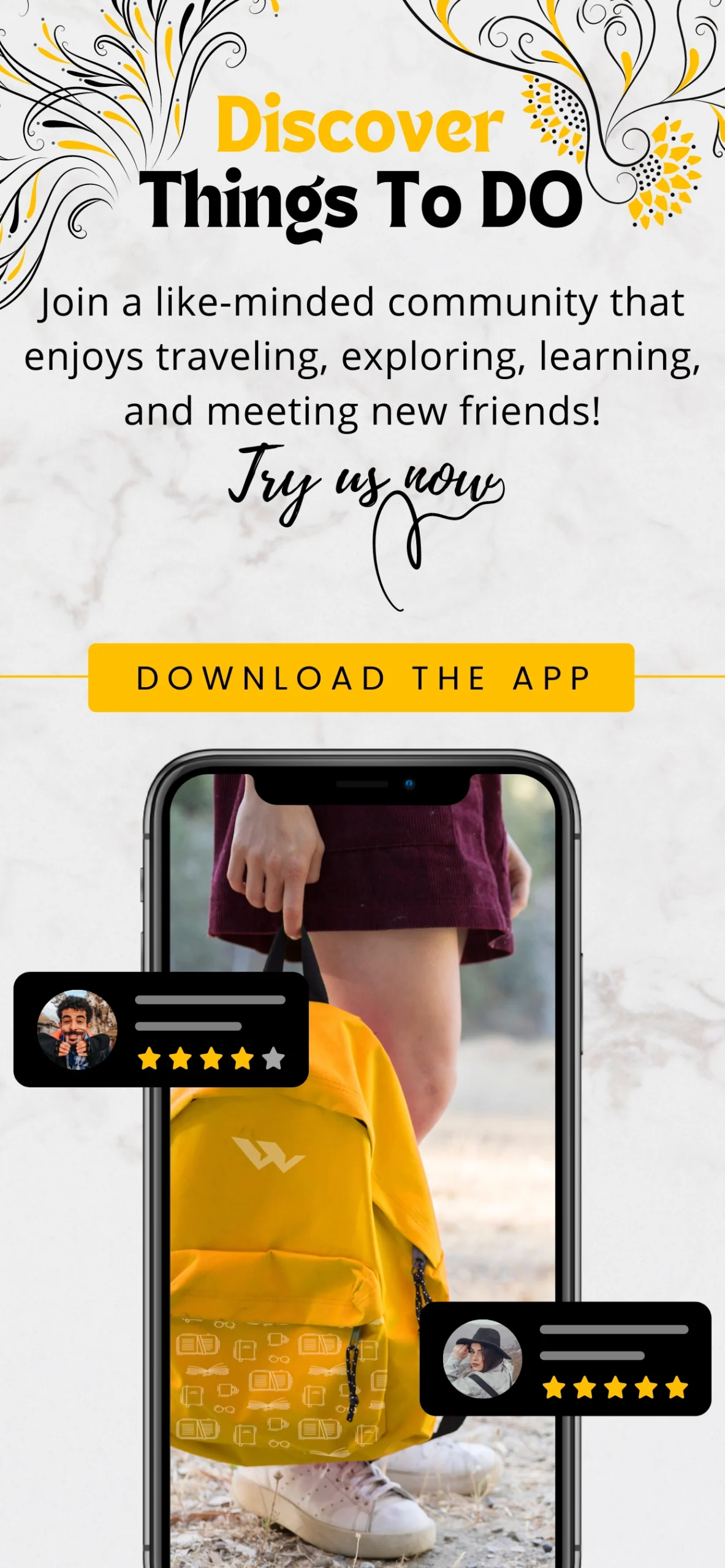
The business started getting attention. Investors showed interest. One offer reached a level that could have changed everything for me at the time. But I refused money that conflicted with my values.
That decision was not easy, but it was clear.
Wharzy reminded me that I was not only someone who could make things look good. I could build ideas, shape a business, create a brand, and see an opportunity before other people fully understood it. For a while, it felt like the pieces were finally coming together.
Then COVID happened.
The travel industry stopped. Products were shipped from China, and global shipping was heavily disrupted. A business built around travel and physical products suddenly found itself standing in the middle of a storm it could not control. Wharzy collapsed almost overnight.
I went from momentum to zero, maybe below zero. That was one of the moments where I almost quit, not because I stopped caring, but because I was tired of rebuilding. There is a kind of exhaustion that comes from losing something you built with belief. It is not laziness. It is grief mixed with business pressure.
But I did not stop.
Dubai taught me the price of trust
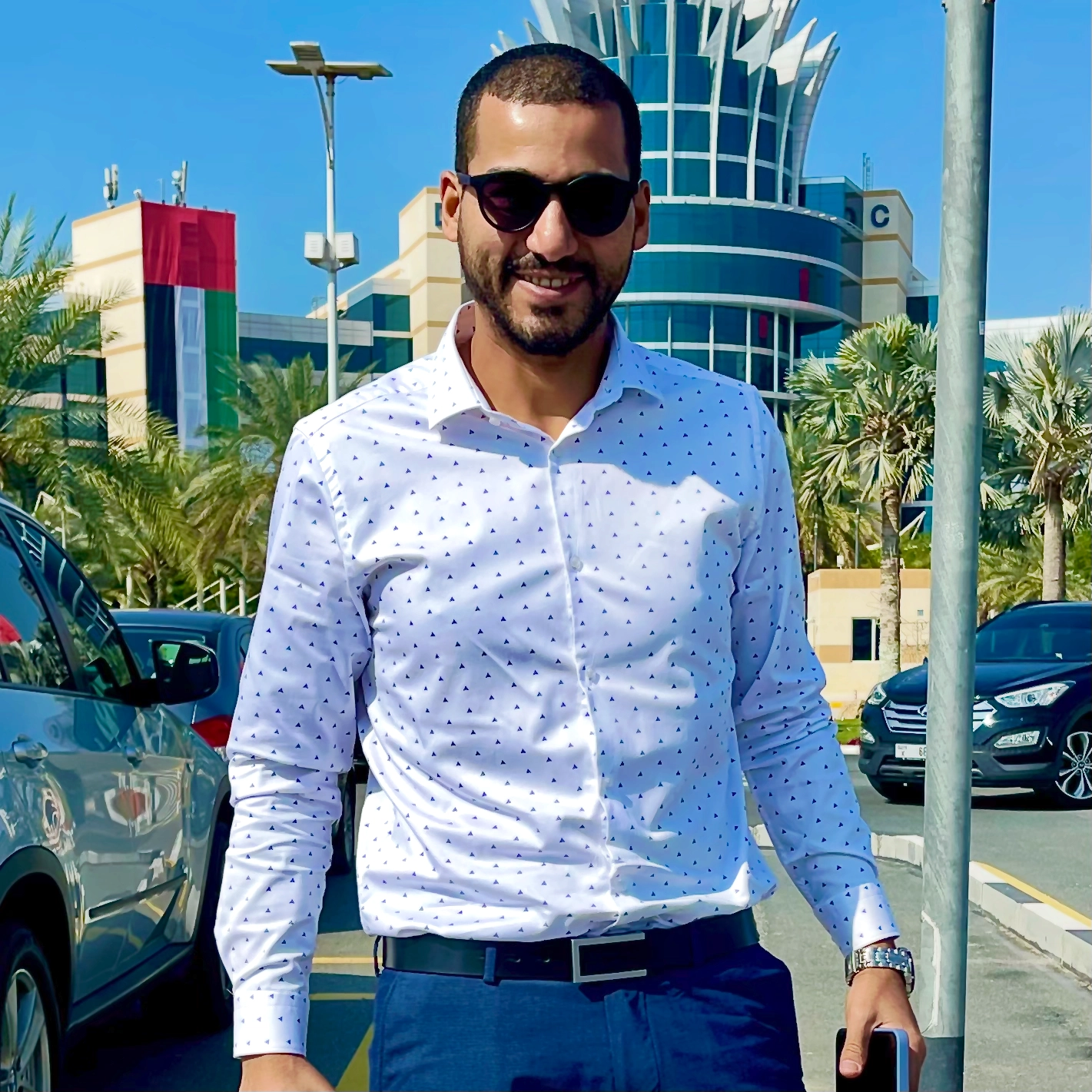
After the USA, I tried again in Dubai.
I started Wissdomm with a partner. At first, it felt like another chance: another company, another direction, another attempt to build something bigger than myself. Dubai has a way of making ambition feel possible and expensive at the same time. You feel the opportunity, but you also feel the cost of every wrong move.
The partnership became difficult, and trust broke in a way that changed the whole direction of the business. I will not turn this story into a public courtroom, because that is not the point. The point is that when trust breaks inside a business, the damage is not only operational. It changes how you make decisions. It changes how much weight you carry alone. It changes how carefully you choose people afterward.
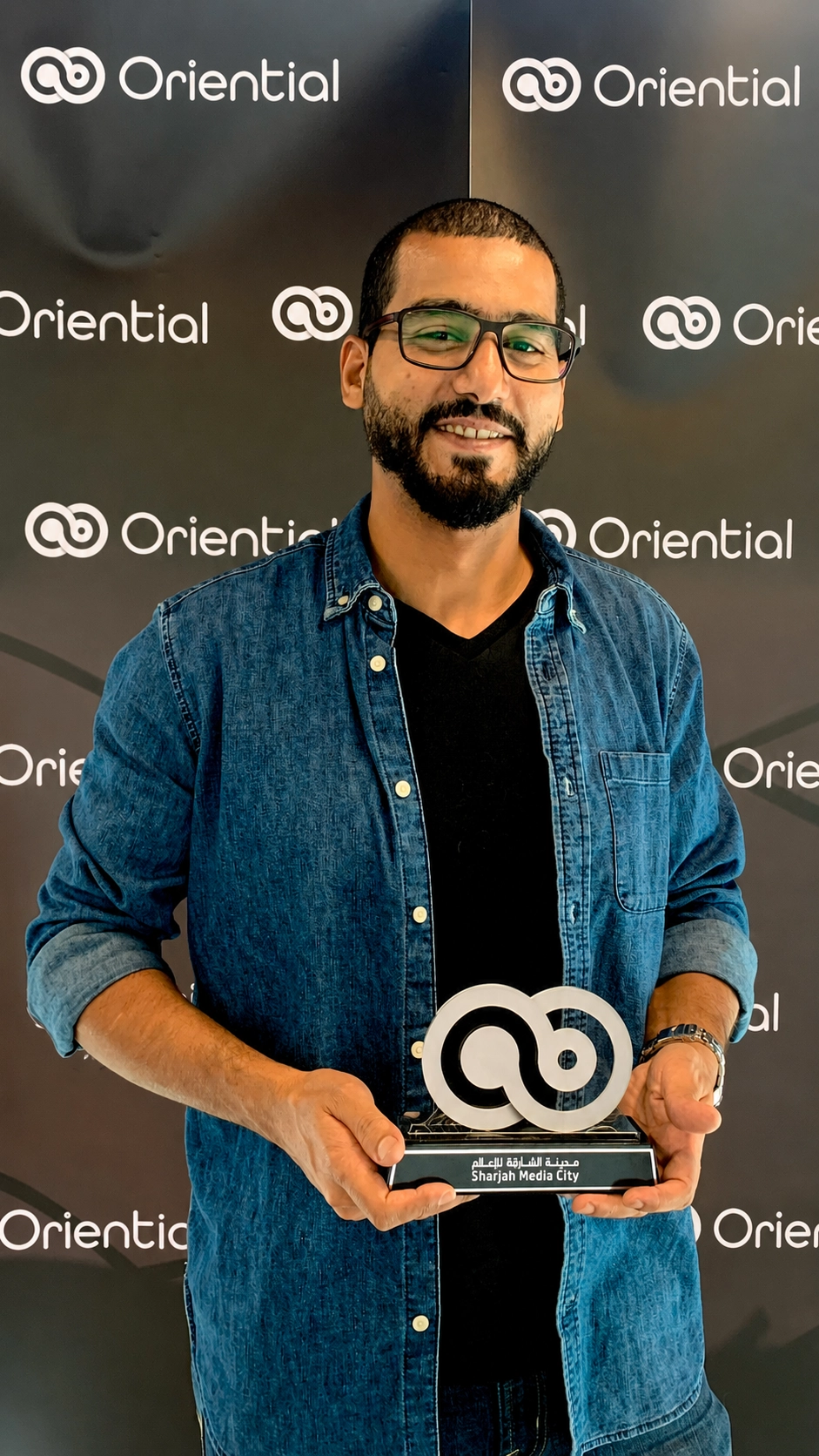
I decided to rebrand and rebuild the company as Oriential.
That transition cost me heavily. I lost part of the team, carried pressure I did not know how to explain at the time, and still had to keep the business moving. At one point, I had built a team of 16 people. Some stayed with me through difficult moments, and I will always respect that because loyalty under pressure means more than polite support when things are easy.
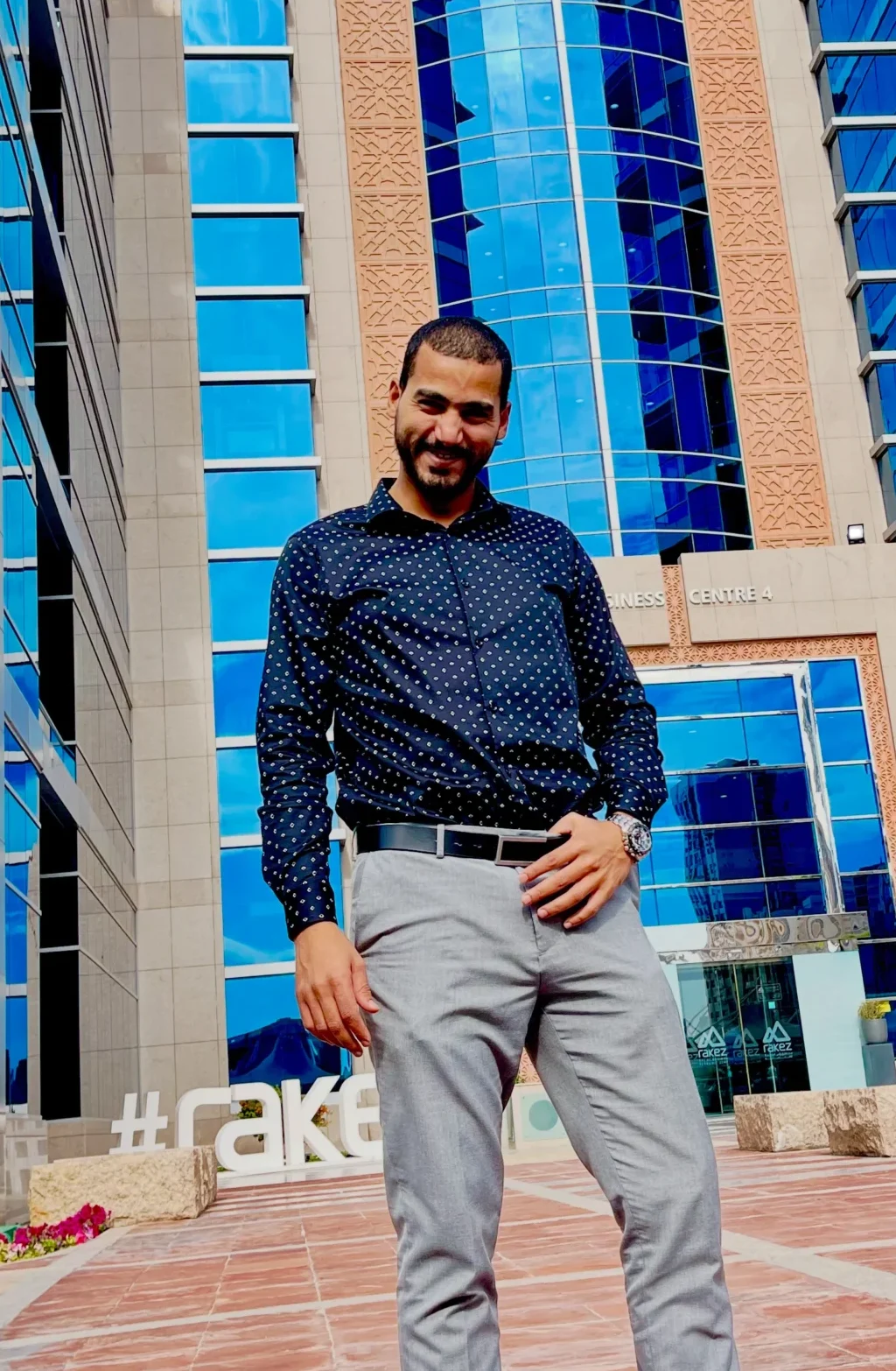
But Dubai is expensive, and running a company there while carrying that kind of pressure became harder and harder. Eventually, I closed that chapter and moved to Bali, not because everything was solved, but because I needed a different way to live and build.
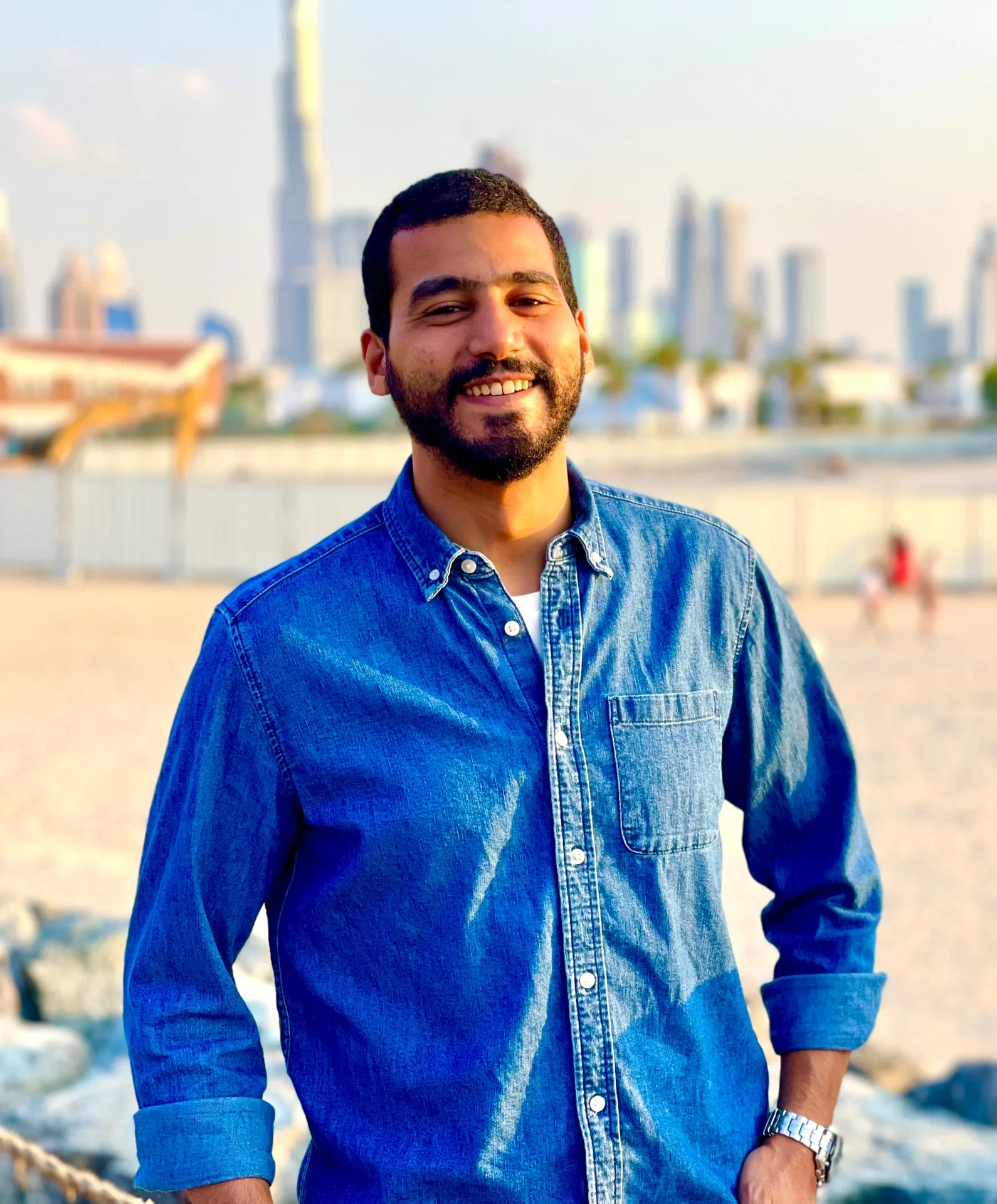
Bali gave me space, not an escape
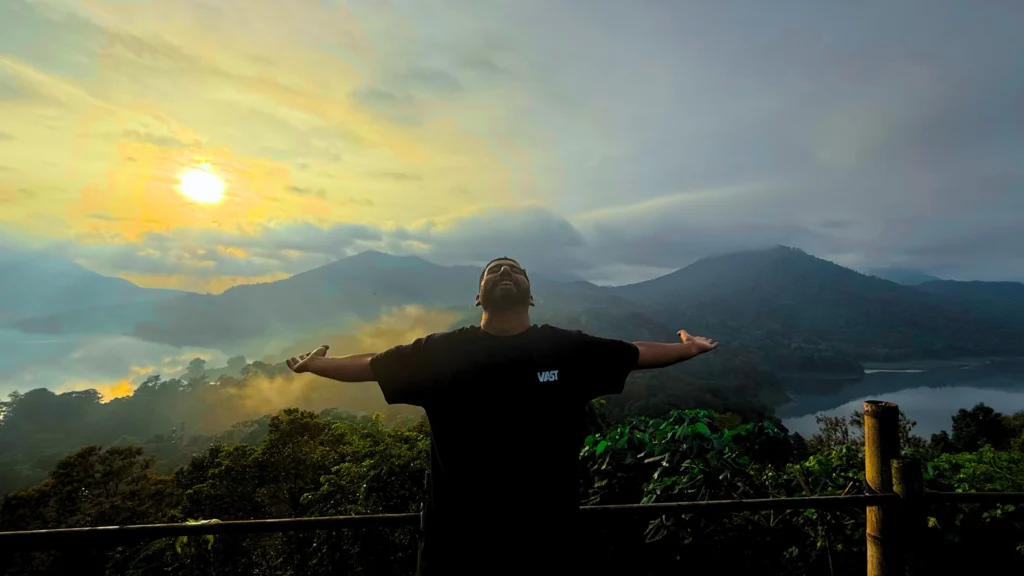
I moved to Bali because I needed freedom.
I was tired of systems that made life feel like a cage. I wanted nature, space, online work, and a life that felt more human. I wanted a place where I could breathe without feeling like every part of life was built to squeeze something out of me.
Bali gave me that feeling. It made me feel alive again. It made me believe in myself again. For the first time in a long time, I felt like I had found a place that could become home.
When I moved here, I focused on building Vovanta, a new platform inspired by lessons I had learned from Wharzy, but with many of the old mistakes fixed. It was operating under UNRELIX LLC, a name that mattered to me because it carried the word resilience inside it. RELI came from resilience. X represented expansion, innovation, and the unknown future. UN suggested unlimited, united, universal, and unconventional.
UNRELIX meant Unlimited Resilience.
That was not a slogan. It felt like the name of the thing I had been living through for years.
But just when Vovanta was close to launch, another difficult personal and business chapter arrived. The company structure changed, the funds were no longer there, and the project could not move the way it was supposed to. I tried to revive Vovanta, but it could not move properly. At least not yet.
This time, the dark chapter arrived in the place that had made me feel alive again. That was hard to accept. Bali had given me space, but space does not protect you from reality. It only gives you enough room to face it.
I did not want that chapter to become the end of the story.
So I repositioned.
Why Mido Hasan had to become real
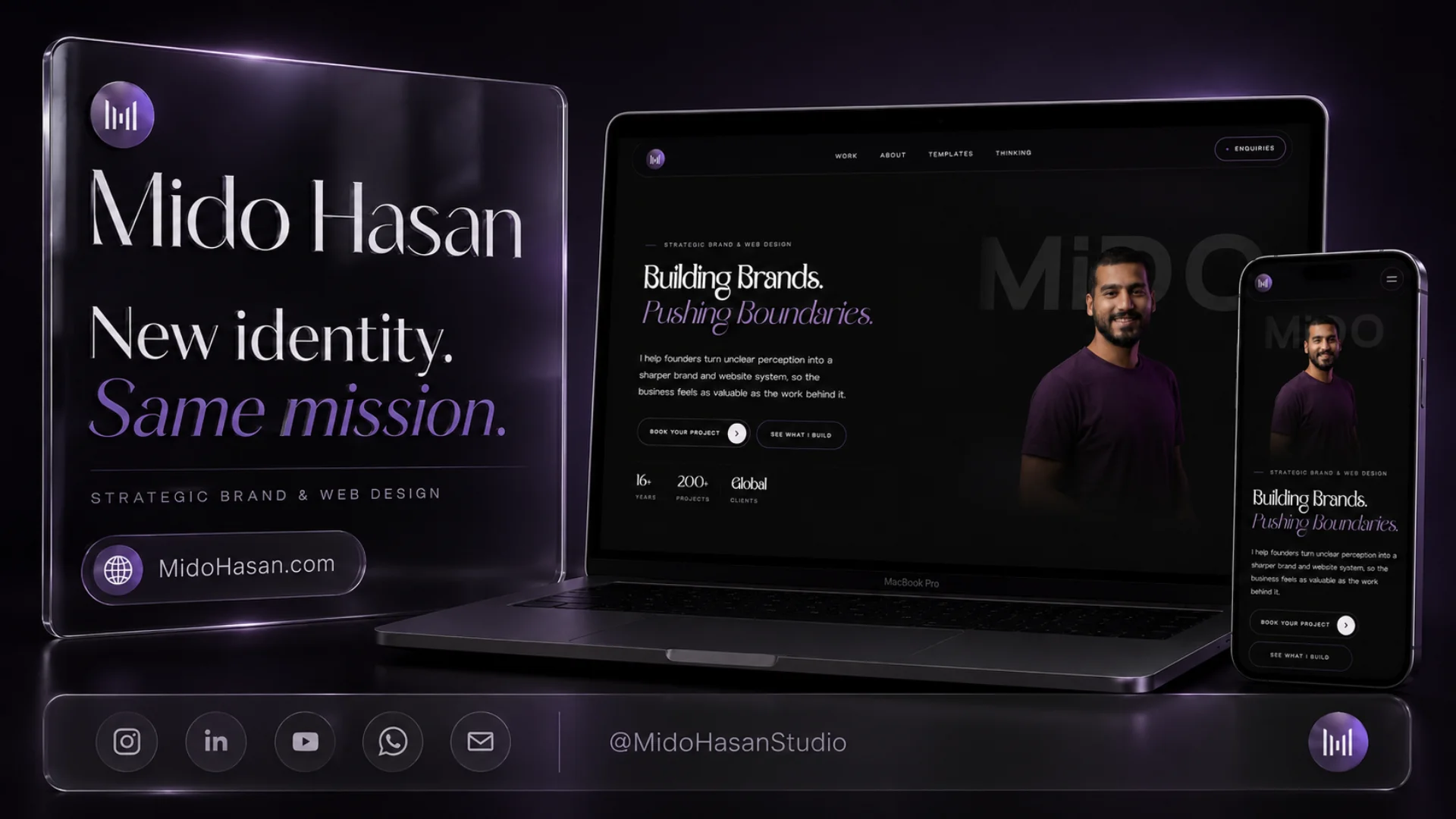
Before this repositioning, my personal brand lived under CraftedByMido. That brand helped me for a while, but eventually it stopped representing me properly. It felt too casual, too small, and too easy to compare with cheap execution work. It did not show the level of strategy, experience, business thinking, and value behind what I actually do.
So I rebuilt around my name.
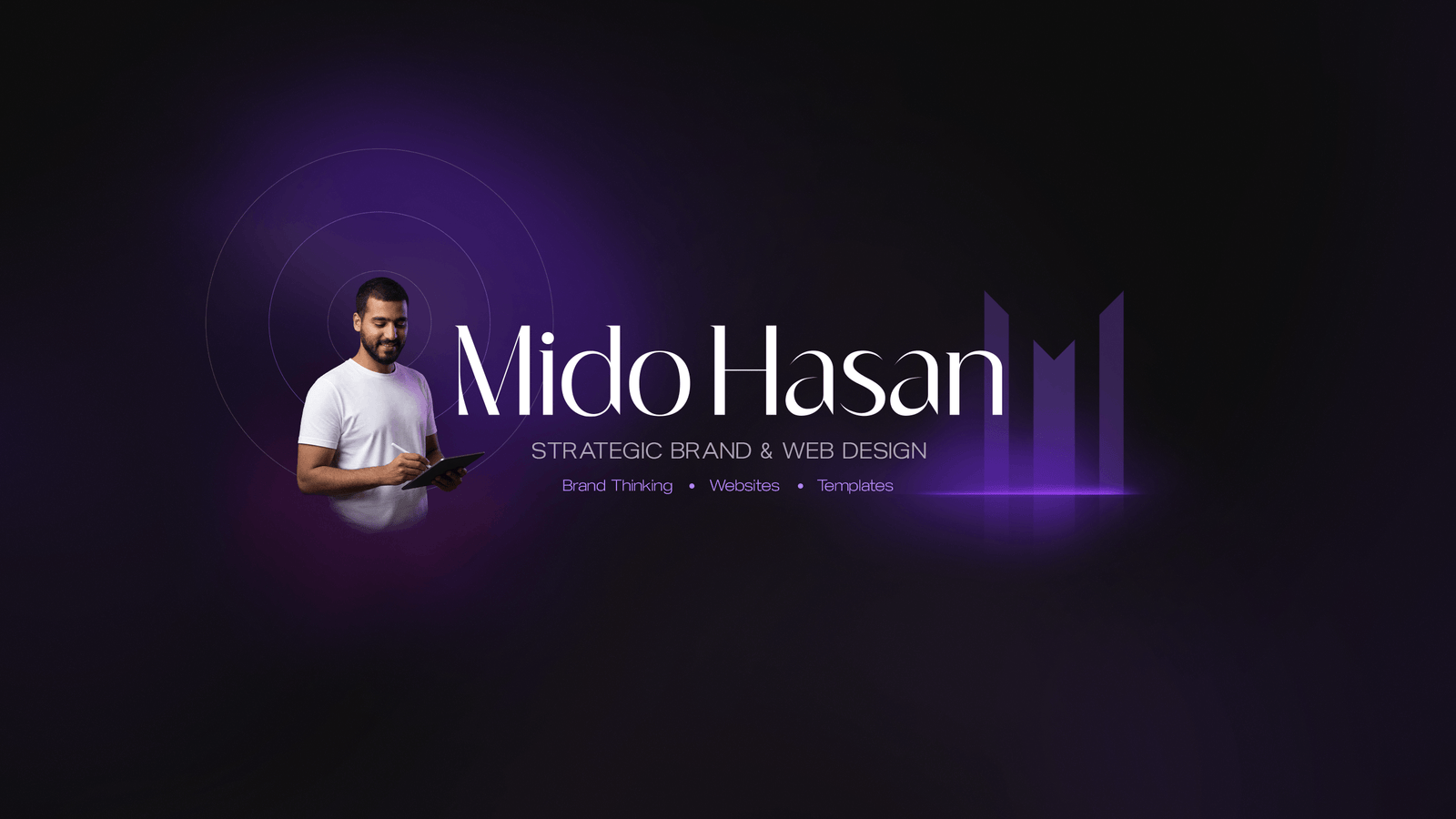
Mido Hasan Studio.
Hasan is my father’s name, and I wanted it to be part of the brand. After everything, it felt right that the next chapter should carry something more personal, more direct, and more accountable.
This time, I wanted the brand to feel real. Not like a fake agency pretending to be bigger than it is. Not like a casual portfolio where the work looks nice but the thinking is unclear. Not like another designer trying to look expensive with no substance behind the surface.
Founder, strategist and builder is the clearest way to describe what I do now.
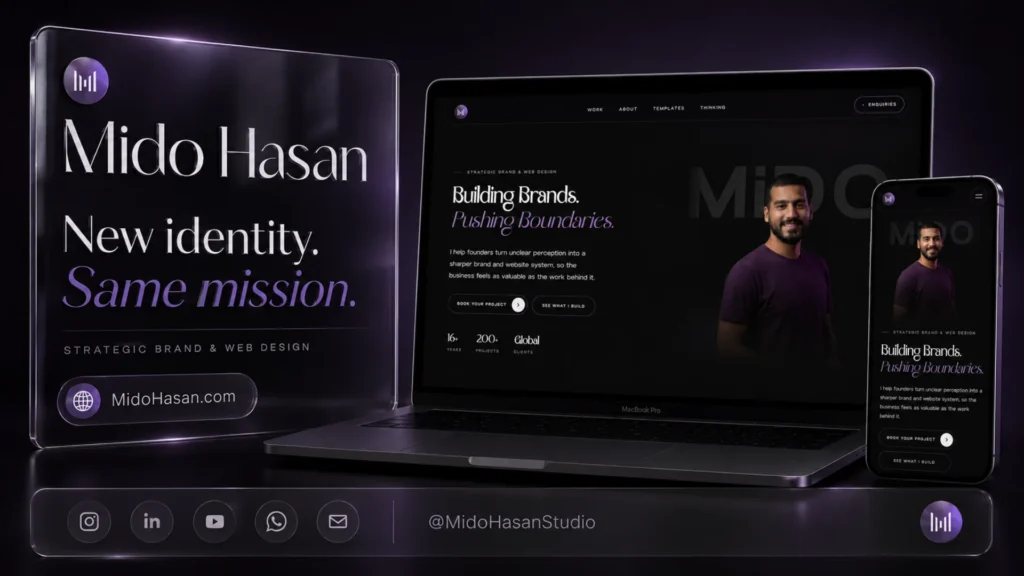
I help founders build brands, websites, and online stores that make their work easier to understand, trust, and choose. That is also why I wrote about the new chapter and why the old identity had to change. It was not only a new name. It was a clearer frame for the work.
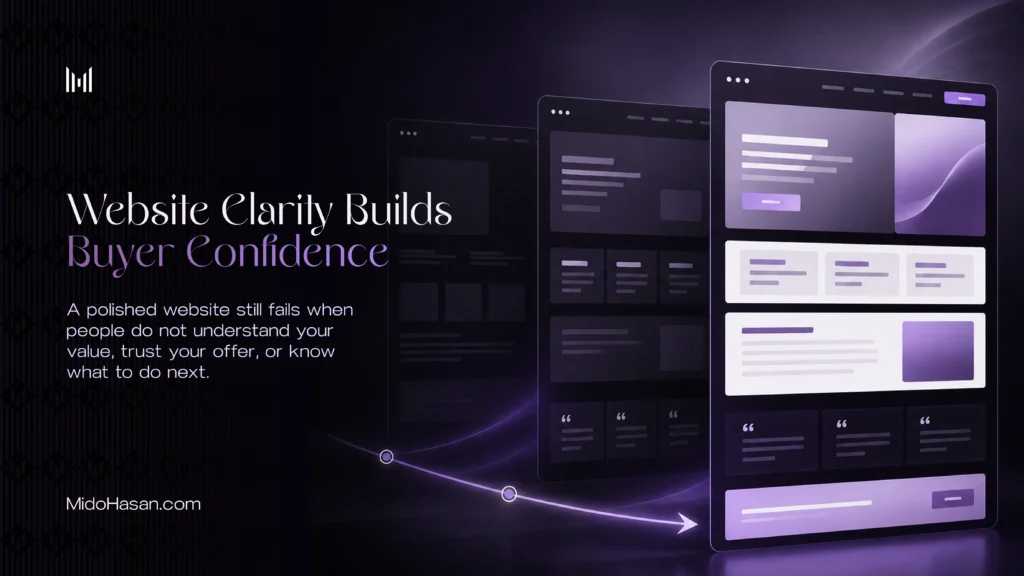
Because after everything I have been through, I understand something clearly: design alone is not enough. A beautiful logo is not enough. A nice website is not enough. If people do not understand the value, trust the offer, and feel the business is serious, the design has failed at the business level.
That is why my work today is built around strategy, perception, trust, clarity, and conversion. Not decoration.
What sixteen years taught me
Sixteen years taught me that business is not only about winning. Sometimes it is about surviving long enough to understand why you lost.
I learned not to depend on one supplier, one country, one platform, one income stream, or one person. I learned that money pressure can limit you, but it can also teach you how to do more with less. I learned that some people will doubt you no matter how hard you work, and some people will believe in you before the world gives them any proof.
My mother never doubted me. That matters more than I can explain.
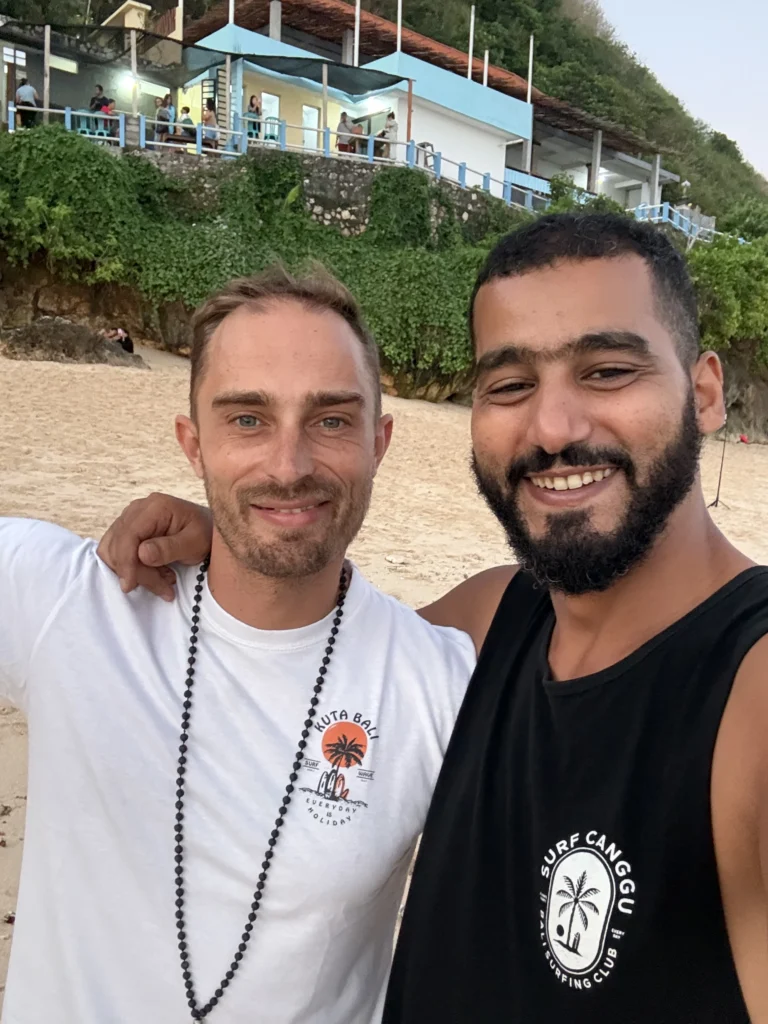
And now, there are people like my friend/brother Dejan Golob, who believe in my ideas, in Vovanta, and in Oriential. He became my partner in Oriential, and together we are rebuilding it with a clearer direction through Minay in Slovenia.
That support matters because resilience does not always mean doing everything alone. Sometimes resilience means knowing who can walk beside you without pulling you backward.
That lesson took me years to learn.
What I believe now
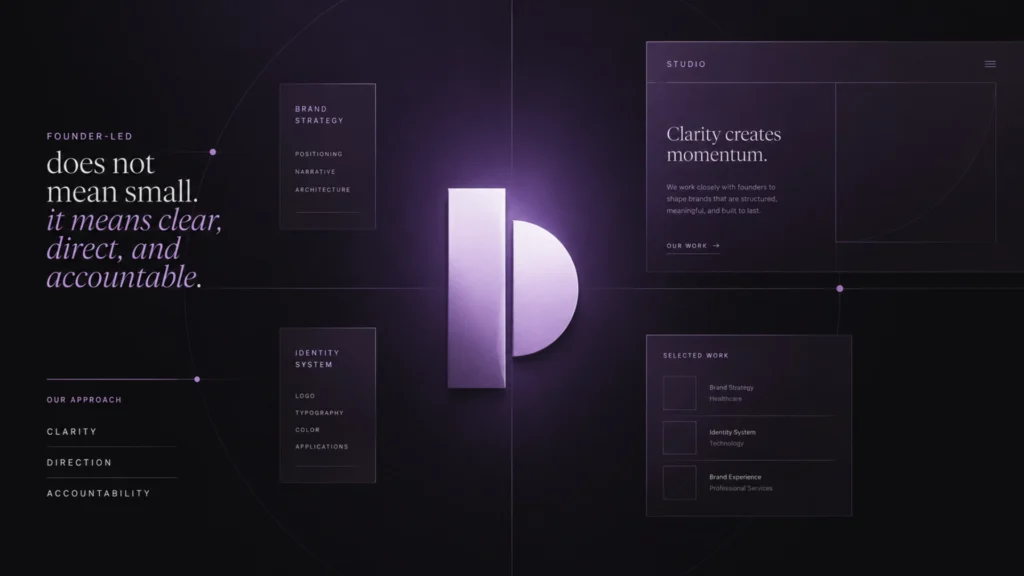
I believe people decide what your brand is worth before they understand what you offer. I believe a website should make the sales conversation easier before it happens. I believe founder-led does not mean small; it means clear, direct, and accountable.
I believe business should be built around values, not just money. I believe one source of income is dangerous. I believe your own platform matters. And I believe giving up is the only guaranteed way to lose.
I have gone to zero more than once. I have lost time, money, friends, companies, and ideas I cared about deeply. But I am still building, still learning, and still trying to create something my younger self would be proud of.
That is not a motivational line. It is just the truth of where I am.
What I am building now
Today, I am focused on Mido Hasan Studio and Oriential.
Mido Hasan Studio is where I help founders build brands, websites, and online stores that reflect the real value of their work. The work is about closing the gap between what a business is worth and how valuable it appears when people first find it online. That is why brand perception mistakes and website trust mistakes matter so much to the way I think now.
Oriential is being rebuilt with Dejan, focused on helping businesses in Slovenia and beyond with stronger digital presence, branding, websites, and online growth.
And Vovanta is not forgotten. It may be paused. It may need investors. It may need the right timing. But it is not dead in my mind.
My bigger vision is still there: to build online stores in different niches, register a company in Indonesia, build an office in Bali, create a strong international team, and build platforms, brands, and businesses that give people better options.
That may sound ambitious.
Good. It should.
After everything, I did not come this far to think small.
Why I’m sharing this story
I’m not sharing this story to make my life look dramatic, and I am not sharing it to ask for sympathy. I am sharing it because people often see the brand, the website, the visuals, the polished work, and the clean positioning, but they do not always see what built the person behind it.
They do not see the losses, the pressure, the mistakes, the restarts, the countries, the hard lessons, and the decision to keep going when quitting would have been easier.
That is why this chapter matters to me.
I usually learn more from honest entrepreneur stories than from polished success posts because the useful lessons are often hidden in the uncomfortable parts. The same is true here. Mido Hasan Studio is not just a new brand. It is the result of sixteen years of learning how work, people, business, design, trust, and resilience actually connect.
And I am still learning.
Closing thought
If you are building through your own difficult season, keep going, but not blindly. Not emotionally. Not with fake motivation. Keep going with clearer thinking. Learn from what broke. Build better systems. Choose better people. Protect your values. And if your work is already strong, make sure the world can recognize its value.
Because your brand should not make your work look smaller. It should make the value easier to see. That is the work I care about now.
This story is not finished. It is just clearer than it used to be.
If your business is stronger than the way it currently appears online, start with a brand and website diagnosis.
2 comments
Glad to be a part of your story, an inspiring story. Keep it up!
Thank you so much Mohammed. I’m really grateful to have you as part of this story and this chapter.